
Lithium
And the Damage Corporations will do to Indigenous Peoples to Get It.

Along with cobalt and nickel, lithium is critical in the manufacture of batteries for electric vehicles. Demand for all three metals is surging. According to a recently-released report from Amnesty International entitled “We’re Here to Protect Mother Earth: Indigenous Rights and Nevada’s Lithium Boom,” nearly 80% of the lithium reserves in the United States are located within thirty-five miles of an Indian reservation. Of course there is much to be said in support of the growth of a green economy, but the “energy transition mining” necessary to effect this great transformation will have a significant impact on Indigenous peoples, their communities, and the land upon which they live.
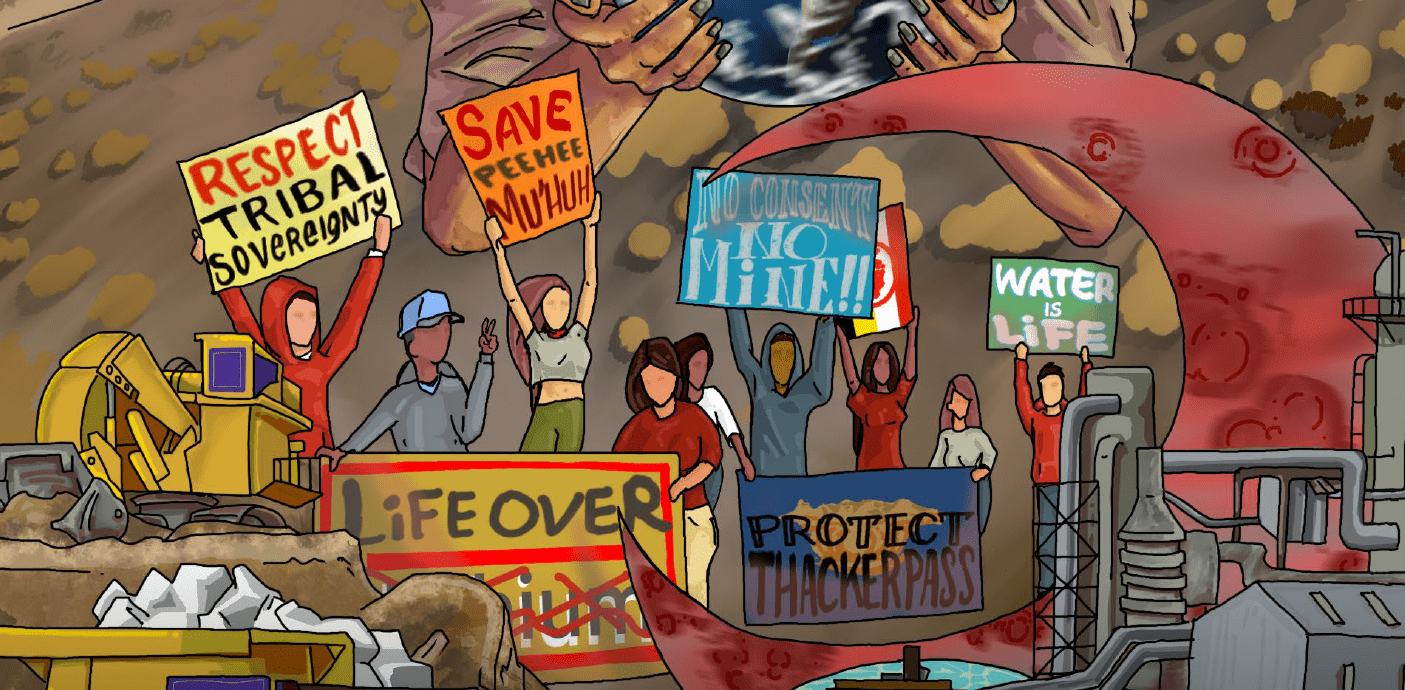
According to the Amnesty International report, the corporations seeking to mine these lands claim that they are following all the required statutes and regulatory guidelines. They say that they are meeting the requirements of free, prior, and informed consent (FPIC) with Indigenous nations. Nevada natives, however, disagree in the strongest possible terms. “These companies come in, desecrate our land and take our resources for profit, and we’re the ones who have to live with the repercussions—dirty air, dirty water, and toxic land.,” said Numu Dini of the Walker River Paiute Tribe. Soon these Indigenous communities will find themselves besieged by large, multinational corporations descending upon lands on and near their homelands. More than 20,000 lithium claims have been filed in the state of Nevada.
The corporations may well be following the letter of the law, but the law has always reflected the interests of corporate power in America. The process in Nevada may be “legal,” but that hardly makes it wise, ethical, or just.
This point was made several years ago when Dr. Wendsler Nosie visited my college to give our annual GREAT Day lecture. The leader of Apache Stronghold, Dr. Nosie has opposed for years the efforts of Resolution Copper, a Chinese-owned mining conglomerate, that would destroy Chi’chil Biłdagoteel, known in English as Oak Flat.
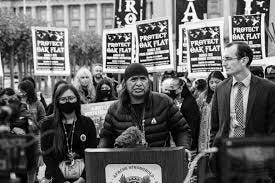
Dr. Nosie offered a range of arguments against the copper mine. Most of the wealth generated, and copper produced, would leave the United States, so this could hardly be considered a matter of national defense. The environmental consequences would be severe, devastating a large area near Phoenix, Arizona, raising the air temperature in a region already known for its heat and befouling water in a region known for its aridity. The mine would destroy Oak Flat, making it impossible for Apache people to engage in the free exercise of their religion, a basic human and American constitutional right. If you visit Oak Flat, as I have, you will not find it difficult to appreciate the sanctity of this site, and all that the Apaches stand to lose.
Dr. Nosie made all of these arguments, as have his allies in Nevada’s Indigenous communities threatened by lithium mining. But he raised another point as well, about the exploitation of non-renewable resources, and an approach to life and living on earth that over the long run is obviously unsustainable. Coal, oil, and uranium have been carved and drilled out of the earth to enrich corporations and make life easier for those who reply on the products that result from this extractive business. The scarcity of oil the environmental consequences of our addiction to it have, at long last, spurred the development of green energy but that requires building batteries reliant on the mining of other scarce materials. It is not just the Congo and Philippines where the environmental damage is being done. It’s taking place close to home, in and around lands sacred to Indigenous peoples. When will it stop? Nosie asked.
Too many of us approach the earth as something to be consumed, a resource to be exploited. Doing so is urgent, we are told. The Chinese won’t wait, we are warned. And, in any event, these resources will not run out during our lifetimes. We’ve got time to figure things out. But that sort of short-sighted thinking Nosie encouraged us to reject. Apaches have come to Oak Flat across many centuries and many generations. The “legal” system, I expect, ultimately will allow Resolution Copper to desecrate Oak Flat and, under pressure from the Trump Administration, will undoubtedly do so for the thousands of lithium permits filed in Nevada as well.
Maybe we should change our thinking, Nosie suggested. Maybe we should think ahead, across many centuries and many generations. We should think about the future and what this place will look like when there is nothing left to burn.